


life on wheels: home is where you park it
Imagine waking up to your own horizon, steering the map in any direction, and living inside the rhythm of the road. That’s life on wheels - unfiltered, expansive, and entirely yours. In this issue, we roll with full-time van lifers, solo wanderers, and four-paw crews carving out their own adventures, where every kilometre counts and every stop feels earned.
From WA’s hidden gems to Tassie’s steep climbs, we uncover the setups, hacks, and everyday triumphs that make life on the move addictive. The payoff? Absolute freedom - the kind you can taste in the sunrise over a quiet camp, feel in the stretch of empty road, and carry with you long after you’ve parked for the night.
This is what it means to live fully, to move freely, and to embrace every twist, turn, and detour. Welcome to life on wheels


That's the magic of life on wheels - total freedom, wrapped in everyday logistics. Before Roam Aus become what it is today, this lifestyle was my office, my routine, and my slightly chaotic version of "normal".
When your office has
four wheels & a roof-top tent

Before Roam Aus had a HQ, the “office” was wherever I could park. Afternoons were spent by a campfire, Starlink barely clinging to the sky, Meetings were shirt off by a creek, laptop on a log, coffee in hand. Rainy days meant hunkering down in the rooftop tent, watching the resident crocodile patrol his stretch of creek.
Life on wheels is exactly that: freedom wrapped in logistics, beauty wrapped in chaos. Some nights call for beachfront bliss. Others call for “flat ground, no midgees, phone on charge. And knowing where you can legally park is as essential as remembering to keep the rubbish bag off the ground before the resident bush turkey turns it into a piñata.
Rest Stops: Perfect for short stays or early starts. Most allow 24 - 48 hours, but rules vary. Golden rules: arrive late, leave early, keep it low-key. Think sleep and go, not set up house.
State Forests: The hidden gems of road life. Many allow free camping for up to six weeks - no bookings, no fees. Bush, birds, and room to breathe. Be self-contained, follow fire restrictions, and move on when the time’s up.
National Parks: Small fees, big value. Your cash goes straight back into tracks, toilets, rangers, and conservation. You get designated sites, clear rules, and a far better night’s sleep than a roadside pull-in.
Showgrounds & Community Camps: Think rural honesty boxes, basic amenities, and a genuinely local welcome. Fees are tiny, and you’re helping keep the town ticking.
The real rule? Free doesn’t mean careless. Leave no trace, respect locals, follow signage, and don’t be the reason a great spot gets shut down.
Because here’s the thing: freedom on wheels is epic - but knowing where to legally park, even for one night, is the difference between adventure and a headache.
- Jayden


Life on wheels isn’t just about finding a legal patch of dirt - sometimes it’s about figuring out how to survive the quiet miles, the random detours, and even your own company. Enter Susi: part adventurer, part navigator of solo-living, and full-time proof that you don’t need a co-pilot to learn the real rules of the road.
The Long Way, Solo
Solo travel, staying sharp, and trusting your gut on the road.
Some people come to Australia for a year. Some accidentally stay a decade and end up living in a van. It Happens more often than you’d think.
Susi landed here from Germany at 18 for a year abroad, fell hard for the place, and spent the next ten years in Western Australia. Eventually, a long-term relationship ended, the urge for a simpler life kicked in, and the question became pretty clear: what if “home” didn’t have to stay put?
Two years ago, she bought a Toyota HiAce Commuter and hit the road full-time. The setup is light, beachy, and intentionally unfussy - mint-tiled pull-out kitchen, wooden bench, couch by day, bed by night. Efficient, comfortable, and quietly dialled. The kind of space that works because everything earns its place.
The original plan was a full lap of Australia. Instead, Tasmania stepped in and politely refused to be left. Between the landscapes, the hiking, and the people, it felt less like a stopover and more like a decision.


Solo Doesn’t Mean Reckless
Solo travel has been the biggest confidence-builder of Susi’s life - though it didn’t start that way. Early days came with a healthy dose of “what ifs”: breakdowns, remote roads, water anxiety, the mental weight of being the only decision-maker. When something goes wrong out here, it’s on you. The harder part, surprisingly, was the quiet. Days of driving alone.
Constant movement. No fixed community. But the road has a way of sorting that out. You learn to sit comfortably with yourself. You meet people doing the same thing. And somehow, you keep running into the same faces in wildly different places. Solo travel stops feeling lonely and starts feeling expansive.
Susi’s Rulebook for Staying Safe (No Drama Required)
Her biggest safety rule is simple: trust your gut.
If a place doesn’t feel right, don’t stay - no explanation needed.
She’s mindful about where she parks, avoids sharing her overnight location with people she doesn’t know, chooses quiet, well-lit spots, and always lets someone she trusts know roughly where she is.
“It’s about giving yourself peace of mind,” she says - which, frankly, makes the whole experience far more enjoyable.


where the road slows down
Tasmania owns most of her favourite spots. Frenchman's Cap sits at the top of the list - a tough, leg-burning multi-day hike with over 2,500 metres of elevation and views that feel very earned. Freycinet National Park and the Tasman Peninsula round it out: solid hikes, ocean nearby, and perfect van-life reset zones.


find susi
You’ll find her on Instagram at @susi.ritter, sharing the real rhythms of life on the road and on the trail. Big hikes are coming up in Tassie, with overseas long-distance missions lined up for the European summer.


When you’re living life on four wheels, it’s not just flat tires or bad GPS that test your skills. Chances are, you’ll also run into wildlife, sometimes just curious, sometimes injured. Suddenly, your decision making matters in a whole new way. Luckily, Renee Colette is here to show how to keep both you and the critters safe.
Roadside Rescue:
The Expert’s Guide to Hitting Pause for Wildlife
Australia’s roads are beautiful and sometimes deadly. If you’re traveling full-time, it’s almost inevitable you’ll come across injured wildlife. We spoke to Renee Colette (@that.wildlife.girl), an independent, licensed carer in regional Queensland, to get the definitive checklist for what to do when it happens.


meet the expert
Renee started her journey when she brought an injured animal to a local vet, and walked home with two more. “We kept it hush-hush,” she laughs, fully aware it wasn’t technically legal. Fast-tracked courses, licensing, and years of experience turned that moment into a career of quiet, life-saving work. She cares for everything from lizards to kangaroos, often alone, for days, months, or even years. “Orphaned macropods can stay in care for up to two years before they’re ready to be released,” she explains.


Expert Advice:
the roadside checklist
Most wildlife injuries are encountered on roads. Here’s exactly what she recommends when you come across a critter in trouble:

1. Make it safe
Ensure it’s safe for you to pull over first. Pull off the road, hazard lights on.
2. Approach with care
Some animals may only be injured and could be quite scared. Contact your local wildlife organisation immediately for roadside assistance.
3. Check if there's a joey
Animals like wallabies, kangaroos, possums, or wombats all have pouches. “Anatomy is pretty much the same as people… if you catch my drift.” Open up mum’s pouch to peek inside.
No joey? Drag them off the road as far as possible to prevent predators from being struck. Look around nearby bushes in case a joey was knocked out or following mum.
Joey attached to teat? Do not pull them off , it will cause irreversible internal damage. Only remove if mum has passed. Cut mum’s teat leaving it in the joey’s mouth, thread a safety pin through the end so the joey doesn’t swallow it, and place the little one in a pouch or down your top to keep warm and stress-free. Head straight to a vet.
Joey not attached? Skip the gruesome step and take them straight out to safety.
4. Do not offer food, milk or water
These animals are super specialised and can die in hours without proper care.
5. Never keep them unless you're a registered carer
Good intentions alone won’t save lives.
why it matters
Living life on 4 wheels gives you access to parts of Australia most people never see - including moments that need intervention. Following this checklist could literally save a life.

find renee
Follow Renee at @that.wildlife.girl on Instagram, Facebook, and TikTok. Other carers to support: @joshneille11, @gumnutcritters.sanctuary, @ritchieranchanimalrescue.


A Dirt-Road Diplomatic Mission
If you’ve spent any time on Aussie dirt roads, you’ve met it: The Wave. That unspoken handshake of the outback a brief lift of the hand that says, “We see you. We acknowledge you. And we respect the road.”
It’s simple in theory, complicated in execution. One wrong flick, and you risk eternal judgement from your fellow overlanders. Here’s a guide to what your wave really says about you:
-
The Two-Finger Tip-Off: Hand casually off the steering wheel. Polite, understated, tells oncoming drivers, “I see you, mate, no dramas.”
-
The Full Arm Salute: All out, elbow bent, full commitment. Basically: “You’re a legend, I respect this grind.”Only deploy if you’re confident, caffeinated, and dust-free.
-
The Quick Flick: Finger barely clears the rim of the wheel. Casual, nonchalant, maybe even distracted. Says: “I waved, but I’ve got five km of corrugations ahead - priorities, you know?”
-
The Half-Hearted Hand Flop: Wrist limp, fingers drooping. Not recommended. Signals mild interest, or worse - “I saw you, but I can’t be bothered.” Dangerous territory.
-
The Inverted Salute: Hand upside-down out the window. Rare, risky, often interpreted as “You’re a rookie.” Use sparingly - preferably never.
Pro Tip: Always wave back. The road community thrives on respect, acknowledgement, and small gestures that keep the dirt-road vibe intact. Miss a wave? Don’t worry - just make it up at the next intersection.
Remember, The Wave isn’t just etiquette - it’s friendship, and bragging rights, all rolled into one flick of the wrist.


After a crash course in roadside rescues, you might think you’ve seen the full spectrum of van-life surprises. But on the road, it’s not just wildlife keeping you on your toes - sometimes it’s a puppy who thinks she owns the place. Enter Cass, Alex, and their ten-week-old Aussie Shepherd, Ellie, showing that full-time travel comes with new rules when four paws are in the mix.
Three Seats, Four Paws & No Fixed Address
At some point on the road, your setup stops being about the rig and starts being about who’s in it. For Cass & Alex, that shift happened in Townsville - with a ten-week-old Aussie Shepherd named Ellie and absolutely no intention of slowing down.
Both 23 and originally from Newcastle, NSW, Cass and Alex have been living full-time on the road since January 2025 and are just about at the end of a full lap. Home is a 2022 Troopy with a roof conversion, plus a box trailer towing a tinny. Ellie joined the crew three months ago and immediately became the unofficial decision-maker when it comes to camp spots, walk breaks, and early starts.


The Honest Bit: Life with a Dog on the Road
Traveling with a dog is great, and mildly inconvenient in ways no one mentions on Instagram.
Ellie keeps them active, constantly scouting for big outdoor spaces and reminding them that sitting still is not part of the deal. The trade-off? Accommodation gets harder. Experiences need more planning. Not everywhere is dog-friendly, and spontaneity sometimes takes a back seat.
That said, Cass and Alex wouldn’t change a thing. Having a dog onboard shifts how you travel. You slow down. You think ahead. You stop chasing every box to tick and start building a rhythm that works... Walks, play, rest, repeat. It’s less about doing everything and more about doing it properly.

the places they're already planning to revisit
Some places get under your skin enough that one visit isn’t enough.
Exmouth. The Gibb. Cape York.
Ellie wasn’t along for these trips, but all three stood out as surprisingly dog-friendly, and high on the list for a return run. The plan? Back again in 2026 and 2027, this time with four paws involved and no intention of rushing it.

follow alex & cass
You can follow Cass and Alex at @78cass_, where they share the full picture - epic camps, unreal adventures, and sometimes the less glamorous side of life on wheels.

For full-time travellers, WA is the ultimate proving ground. We spoke to Jack & Megan to learn how they navigate the vast distances, tricky tracks, and epic views.
Wide Open WA
Jack & Megan’s Road Trip Essentials
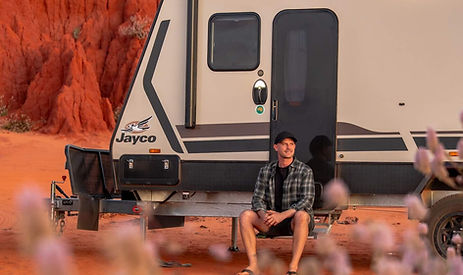
Jack & Megan, Perth originals, have been living full-time on the road for five years. They started out squeezed into a Toyota Troop Carrier, then moved into a DIY-renovated 51-year-old Viscount. Today, it’s a 21ft Jayco Discovery Outback. A setup that finally lets them think about comfort instead of just survival: proper storage, a bathroom, a space to cook, edit, and park for hours while turning adventures into content.
Life on wheels isn’t all comfort. Days are spent driving, editing, and filming. Nights are parked under stars or on corrugated tracks. The trade-off is control - they set the map, the pace, and the distance.


the rig & road life
The Jayco gives them room to live inside the map. From long drives between towns to off-track detours, the van lets them carry the systems that matter: water, fuel, gear, and patience. Every setup tweak, every storage decision, every shade tarp is a lesson learned from miles of experience. The grind is real: windy stretches, isolated camps, corrugated tracks. But having a sturdy rig means less worry about the unknown and more focus on what they came for: the road, the country, and the quiet moments you only earn after hours behind the wheel.
Western Australia:
Road Tested Insights
WA is vast. Distances are long. Roads can be forgiving - or corrugated beyond belief. Jack & Megan have spent five years on the road learning which stretches are worth the detour and which require patience.
Karijini, Ningaloo, Esperance, Broome, and Yallingup. These are the obvious stops. But the duo’s real value lies in the underrated. “Purnululu, Kununurra, and Collie don’t get the credit they deserve. Fewer crowds, and the camps feel like they were made for you.”
Preparation is non-negotiable. “Some drives in the north feel like hours without a petrol pump or phone signal. It’s not just about the view - it’s about knowing you can actually get there and back.” Their advice? Allow time to recover between long drives. “WA isn’t a checklist; it’s a commitment. Don’t rush, or the distance eats you.”
Free camps are gold. “Some of our favourites are free spots in the Northwest. They’re not glamorous, but they’re quiet, legal, and give you space to reset.” Coupled with a 4WD, the road opens up. “You can see a lot with a 2WD, but the corrugated tracks and offbeat locations? That’s where the trade-off pays off. Peace of mind in remote spots is priceless.”
Weather is a factor. Jack & Megan have learned the hard way that WA winds aren’t a suggestion. “Keep an eye on the forecast. ‘Windy always’ lives up to its nickname, and a flimsy awning becomes a hazard real fast.”

the takeaway:
The road is long, often unforgiving, but rewards those who prepare. It’s not just about getting from point A to B. It’s about managing distance, conditions, and logistics so every stop earns its keep.


gear discounts


SMELLY BALLS
REUSABLE AIR FRESHENERS THAT TRAVEL WELL
Say goodbye to single-use car fresheners. Smelly Balls are reusable, refillable, and made for the long haul. Perfect for cars, campers, tents, or any cosy corner. Just add your favourite scent, hang them up, and refresh whenever the mood strikes.
Crafted from premium felt and backed by a mission to support women workers in Nepal, they smell good, look good, and do good. Roadtrip essential? Absolutely.
15% OFF EVERYTHING


FLOATABLES
REDEFINING LIFE ON THE WATER
Floatables is all about levelling up your time on the water. Think inflatable docks, water hammocks, and wellness ice baths designed for adventure, relaxation, and serious durability. Proudly Australian-owned, we create premium, multi-purpose gear built for sun-soaked days, crystal-clear dips, and unforgettable moments. This isn’t just gear—it’s a lifestyle.
10% OFF SITEWIDE


MOGU OUTDOORS
CAMP SMARTER. ROAM FREER.
At Mogu Outdoors, we make smart, easy-to-use gear that takes the hassle out of camping, so you can get straight to the good stuff. Cooking, exploring, and kicking back under the stars. Designed in Australia for adventure-lovers everywhere, our gear keeps things simple, stylish, and built to last.
From space-saving kitchen kits to rugged tool bags and seriously comfy sleeping gear, everything we make is about improving your outdoor setup without overcomplicating it. Less faff, more freedom. Because when your gear works as hard as you do, the only thing left to focus on is the adventure.
10% OFF SITEWIDE

ROAMING FOLK
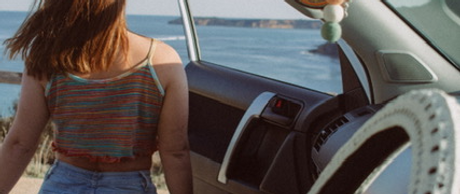
Roaming Folk creates handcrafted crochet car seat and steering wheel covers that bring bohemian charm to every drive. Designed in Australia and handmade by skilled Indonesian artisans, each piece is a one-of-a-kind blend of comfort, style, and craftsmanship - perfect for those who roam with intention.
15% OFF ALL PRODUCTS


Roam Gear
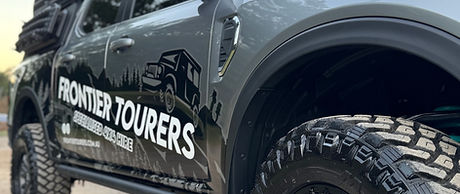
We're a passionate Aussie brand with everything you need for off-grid adventures. From premium 12-volt solar gear and accessories to camping essentials, we're your one-stop shop to hit the road. With years of industry experience, we offer the equipment and expert advice to help you live the #roamlife. Get ready to roam and explore our range of outdoor gear today!
15% OFF SIDEWIDE


BOK BEACH LIFE
ENDLESS SUMMER ESSENTIALS
Bok Beach Life is all about good vibes, great design, and gear that makes beach days better. From sand-free towels made with recycled plastic to laid-back essentials built for sunny days, we blend sustainability with style, so you can enjoy the coast while helping protect it.
20% OFF ENTIRE ORDER


BARKIN BOARDS
Barkin Boards was born from one simple truth: surfboards shouldn’t cost a fortune. We cut out the middlemen, source from the same factories as the big brands, and pass the savings straight to you. Same quality, better prices, because surfing should be fun, not financially painful. Woof.
10% OFF MINI MALS


VANILLA MOZI
The innovative Vanilla Mozi Outdoor range includes the award winning Body Cream, Soy Wax Candles and Soy Wax Melts in a Vanilla & Spearmint scent. Suitable for babies and highly sensitive skin, the trending products are natural, organic and vegan. They are also free from palm oil and parabens.
15% OFF SELECT PRODUCTS

%20(2).png)
ohana pups
Ohana Pups crafts consciously made goods for beach-loving dogs and their owners. Inspired by a love of coastal living, their bestselling leather collars are handmade with non-toxic tanning, natural cowrie shells, and premium brass - built to last through countless golden adventures.
10% OFF SITEWIDE


WIZARD FIREPITS
Wizard Fire Pits creates premium smokeless fire pits for people who love entertaining outdoors. Wizard Fire Pits are sleek, stainless steel, and engineered for high performance with little to no smoke. From backyard hangouts to romantic nights under the stars, we make fire simple, stunning, and smoke-free.
10% OFF SELECT PRODUCTS
We're all about giving back to the legends who support us. So we've got a massive gift for you!
Subscribe completely free and you’ll instantly unlock our exclusive Roam Legend Membership and get discounts on over 4,000 adventure experiences!
here's what you get:
epic discounts
Adventure experiences , cool stays, 4x4 accessories, camping gear, surfboards, beach gear, even mosquito repellent and dog accessories!
Win
cool Sh*T!
Enter every giveaway, every month.
Automatic entry to every competition!
And it's free!


Life on the road isn’t just about choosing a rig or finding the right campsite. It’s about making a setup that actually works for how you live. For families like Karly and Jacob’s, that means systems, storage, and smart design that keep everyone moving, happy, and surprisingly sane.

waking up in aus
A family setup built to last and keep moving
Life on wheels rewards good systems. It also has a way of pointing out the ones you forgot to think about. Karly and Jacob have been travelling full-time since August 2023 with two kids in tow - Dodge (4) and Rocky (2). What started as a one-year lap to find a new place to settle quietly turned into something harder to walk away from.
“The longer we stayed out here, the more it just made sense,” they say. “At some point it stopped feeling temporary.”
Both come from Army backgrounds, so constant movement, shared responsibility, and living within a structure weren’t new ideas. The scenery changed. The mindset didn’t. These days, that shows up in how they tour - deliberate, adaptable, and very aware that distance always gets the final say.


built by doing it
Their current setup didn’t arrive perfectly dialled. They started with a Chevrolet Silverado 2500 HD towing a Design RV triple bunk semi offroad caravan, no canopy, 2 solar panels, 200L of water and tiny inverter meant they weren’t really set up properly. Solid, but quickly outgrown. With a toddler onboard and a baby on the way, storage stopped being a nice-to-have and became a necessity.
“You don’t really know what you need until you’re living in it,” Karly says. “And once you do, it’s hard to ignore.”
Six months in they built their first full off road caravan although it was good but it wasn't everything they thought it was going to be, After 12 months on the road they built their 3rd Caravan and stepped into a fully custom XTOUR off-road caravan. Higher clearance. Bigger water and power. And a layout designed around family life - including a dedicated internal playroom. Not a novelty. A pressure release valve.
It was the first caravan built with that exact design. Seeing variations of it now popping up on the road still feels surreal. Three caravans in two years sounds excessive. Living in one full-time has a way of speeding up the learning curve.
the truck does the heavy lifting
As the caravan evolved, the tow rig followed, they continuously did upgrades to the Chev in the 2 years they travelled with it, it was reliable and did everything they needed and more but an upgrade to continue was in order. They have moved into a Ford F-550 - imported as a bare cab chassis and rebuilt it properly. Left-hand drive converted to right. Suspension, wheels, and tyres through EC Offroad, including Liquid Springs for adaptive load control. Dual rears converted to super singles. Forty-two-inch Goodyears, because subtlety left the chat early.
Wrapped in matte sand PPF for protection first but aesthetics were a happy side effect.
Reliability came before performance. G&L Performance handled a disaster prevention kit, tuning, and exhaust upgrades.
“We weren’t chasing power,” Jacob explains. “We wanted confidence especially when you’re a long way from help.”
The lift-off canopy from Concept Canopies carries a 24V Victron system, 350 litres of water, and 630Ah of battery capacity at 24V. Enough to live comfortably and still forget to turn something off occasionally.
A 4.1-metre Makocraft now rides up top via a Mozzie loader. After years without a boat, it will open up an entirely new way of seeing the country and planning camps.


why build again?
Because the setup still isn’t finished. It never is.
Karly and Jacob are now working with XTOUR to build their first true toy hauler without sacrificing internal living space. Instead of storing bikes where you eat and sleep, the new design features a fully enclosed, lockable garage built into the caravan itself.
“After having gear stolen in parks, security became non-negotiable,” they say. “We wanted a system that actually worked for how we travel.”
The rest of the details will come out on the release so stay tuned for internal features.
The full setup launches at the Victorian Caravan Show on February 18.
life, compressed
Living full-time with kids in a caravan strips life back quickly.
They’ve found it easier not harder. Less space means fewer blind spots. Routines matter. Evenings are reclaimed once the kids are asleep.
“Everything’s more intentional,” Karly says. “You’re not spread across rooms, you’re actually together.”
Costs are managed deliberately. Fuel, food, insurance, and parks are the big hitters. Off-grid travel helps. Eating out is rare. The onboard coffee machine has paid for itself many times over.
Their advice is simple: start second-hand. Learn what breaks. Learn what annoys you. Learn whether you actually enjoy this before committing to a high-end build.
They’ll be hitting the road to a few big stops this year, including the Victorian Caravan & Camping Supershow, the Let’s Go Caravan Camping & Outdoor Show in Adelaide, , and the National 4x4 Outdoors Show in Brisbane - so if you’re heading along, keep an eye out for the big rig (you won’t miss it).
After the shows, it’s westbound. A Nullarbor crossing, a couple of slow months soaking up Ningaloo, and fingers crossed, a run across to East Arnhem Land are all on the cards.
And if you see them parked up somewhere dusty, don’t be shy. Pull up, say g’day, and talk travel. If you grab a photo with the truck, tag them - they would love to see it!


connect
You’ll find Karly, Jacob, Dodge and Rocky at @wakingupinaus across all platforms, with most of the day-to-day chaos, camps and behind-the-scenes builds living on Instagram for now.
Come March, YouTube will get a proper workout too, with full walk-throughs of the truck, caravan and the next evolution of their setup dropping soon.
They’ll be hitting the road to a few big stops this year, including the Victorian Caravan & Camping Supershow, the Let’s Go Caravan, Camping & Outdoor Show, and the National 4x4 Outdoors Show in Brisbane - so if you’re heading along, keep an eye out for the big rig (you won’t miss it).
After the shows, it’s westbound. A Nullarbor crossing, a couple of slow months soaking up Ningaloo, and fingers crossed, a run across to East Arnhem Land are all on the cards.
And if you see them parked up somewhere dusty, don’t be shy. Pull up, say g’day, and talk travel. If you grab a photo with the truck, tag them. It’s basically a rite of passage 😉

Adventure made simple
.png)
There is something about a campfire that stops time. It is where stories start, meals are shared, and long days on the road finally slow down. But too often, modern fire pits turn that moment into a steel box, hiding the flames and breaking the experience.
The Bush Telly was created to change that.
Putting the fire back at the centre of camp
.png)
assembles in seconds and packs down easily for travel
Designed and tested in Australia, the Bush Telly rethinks how a campfire should feel. Its retro TV inspired design frames the fire front and centre, turning it into something you watch and gather around, not something tucked away. By directing heat forward, it creates a warmer and more social camp setup while using less wood and improving fire safety through its enclosed design.

For those living life on wheels, it is not just a fire pit. It is part of the journey.
Cooking is part of the experience, not an afterthought. An additional hot plate allows meals to be cooked without covering the fire, meaning one person can cook while everyone else still enjoys the glow of the flames. It is a rare balance of function and atmosphere, especially for life on the road where space and gear matter.
.png)
Flat pack steel construction makes it ideal for vans, wagons, and anyone chasing freedom without excess gear.
At its core, the Bush Telly is about the moments that matter. Quiet nights, shared meals, and a fire that feels like the heart of camp again.
And hey, if you fancy giving it a test run, there’s a chance to grab one in this month’s Giveaway
Go On, Treat Yourself




Life on wheels might look like endless sunsets and epic camps, but it also comes with a stack of admin you can’t ignore. From prescriptions to post and pesky reminders from the government, the paperwork never takes a holiday. Here’s how full-timers actually keep it under control.
.png)
The Unsexy Side of Life on the Road
Life on wheels looks great until you need a prescription, a new bank card, or a letter that starts with “This is a reminder…”. Turns out, full-time travel doesn’t pause admin. It just makes it harder to ignore.
Here’s how people actually manage the boring stuff while living on the road.
the address problem
At some point, you’ll be asked for a “permanent address.” This is where creativity meets compliance.
Most full-timers use one of three options:
-
Family or friends: The classic solution. Reliable, cheap, and only mildly awkward when your bank mail shows up.
-
Mail forwarding services: These give you a fixed address and forward mail wherever you are. Handy if you’re properly nomadic.
-
PO Boxes: Fine for mail, useless for anything that requires a residential address.
The key move? Update everything early. Banks, licences, Medicare, insurance. Doing it from a campsite with one bar of reception is not the vibe.
doctors without a waiting room
Being on the road doesn’t make you immune to flus, injuries, or that mystery pain you’re definitely Googling at 11pm.
Telehealth is the backbone of full-time travel. Most GPs now offer phone or video appointments, which means:
-
Scripts can be sent digitally
-
Referrals land in your inbox
-
Follow-ups don’t require you to be in the same postcode twice
When you need to see someone in person, regional medical centres and walk-in clinics are your friend. Plan ahead where possible, especially if you’re heading remote.
prescriptions, sorted
Running out of meds in the middle of nowhere is a rookie mistake - and an avoidable one.
Ask your GP about:
-
Electronic prescriptions (easy to fill at any pharmacy)
-
Repeats before long stretches off-grid
-
Extended supplies if you’re travelling remotely
Pro tip: not all small-town pharmacies stock everything. Call ahead. It’s boring, but so is driving 400km back.
internet: because roaming doesn't mean disappearing
If you’re working remotely or just refuse to live without maps and weather radar, Starlink Roam has become a genuine game-changer. All it needs is 12V power and a clear view of the sky, and suddenly you’ve got reliable internet in places your phone gave up on hours ago. It’s not cheap, but neither is burning fuel to drive back to town every time reception disappears.
Living on the road is freedom, with a side of admin. Get your systems sorted early and you’ll spend less time chasing paperwork and more time chasing sunsets.
No one posts about mail forwarding or prescription repeats. But trust us, this is the stuff that keeps life on wheels rolling.
MORE THAN A MAGAZINE
THE MISSION:
When the Roam Aus crew first put this magazine together, our mission was simple: Inspire, Experience, and make an Impact.
INSPIRE
Get you, the Legend, out there to make the most of this beautiful country.
EXPERIENCE
Offer the community the ultimate cheat code - discounts on over 4,000 adventure products and experiences.
IMPACT
With every single issue, we give back.
That last part is non-negotiable. Every time a new issue hits your screen, we use a portion of the revenue to back a selected charity or organisation.
Why? It's our way of helping protecting what we love and ensuring the landscapes and wildlife we chase stay thriving for the next generation.
Got a cause you care about? If there’s an organisation doing the hard yards that you think we should be backing, let us know.

.png)


Even the most die-hard road warriors have to deal with streetlights, traffic, and city regulations. Knowing where to park, how long to stay, and what facilities are on hand keeps your van life flowing. Without risking fines or frustrated neighbours.
City Limits:

Where to Camp Near Australia’s Major Cities

You didn’t think life on wheels was all bush sunsets and empty roads, did you? Sometimes it’s dodging traffic, topping up supplies, and figuring out where you can legally sleep without getting a ticket. Here’s your go-to guide for free or low-cost camping near major cities, so you can hit the concrete without losing your freedom.

sydney
-
Ku-ring-gai Chase Rest Areas: 1–2 nights max, toilets available, great for an early bushwalk.
-
Lane Cove National Park Carparks: Legal overnight parking in designated areas; $0–$10/night depending on site.
melbourne
-
Big Hill Forest (near Ballarat): Free, bushy, and quiet. Limited facilities, so bring your own water.
-
Yarra Valley Showgrounds: Cheap, dog-friendly, and easy access to wineries.

Brisbane
-
Brisbane Valley Rail Trail Rest Stops: Perfect for early starts on long rides; free for one night.
-
Lake Wivenhoe Edge: Self-contained camper only; great sunrise over water.

perth
-
Yanchep National Park Carparks: $5–$10 for overnight, bush walks on the doorstep.
-
Rottnest Island Campgrounds: Booking required but budget-friendly and unforgettable.
adelaide
-
Coorong State Forests: Legal camping for up to six weeks. Perfect for escaping the city buzz.
hobart
-
Mount Wellington Lookouts: Short-stay only, panoramic views, bring your own provisions.


Takeaway
Free doesn’t mean careless - respect the rules, leave no trace, and stay smart. Your van isn’t just a vehicle; it’s your mobile home, and with a little planning, you can experience urban Australia without selling your soul to overpriced powered sites.

Some nights, the van can wait. Sometimes, the road is calling, but so is a deck, a view, and a proper night under the sky. We’ve tracked down the best little escapes to recharge, reconnect, and remember what slowing down actually feels like.

rewild your weekend

Into The Wild Escapes
Tiny homes designed for switching off, properly.

Back in 2017, a group of overworked friends and family were craving something simple: real connection. Less noise. Fewer screens. More time actually spent together. When they escaped into nature and disconnected. , they noticed a shift. They felt calmer, more present, more human.
That experience led them to the concept of rewilding: restoring ecosystem health while also restoring our relationship with the natural world. It was the lightbulb moment that sparked Into The Wild Escapes. A collection of tiny homes designed to help people slow down and reconnect.
Eight years on, the brand has grown to 61 tiny homes across Australia, tucked into standout regions like the Blue Mountains, Mudgee, the Yarra Valley, Barossa Valley and Tasmania’s wild King Island. Each stay is an invitation to step back from the rush and rediscover the beauty of simple living.
no distractions, by design
Into The Wild tiny homes are intentionally minimal, not sparse, but considered.
Think clean lines, calming interiors, and large windows that frame the landscape rather than compete with it. These are spaces built for slow mornings, better coffee, and evenings spent watching the sky instead of a screen.
Every design choice has a purpose. There’s no clutter, no excess - just thoughtful details that encourage presence. Choosing locations goes far beyond finding a good view. Each site is assessed for natural beauty, airflow, sunlight, and how the tiny home sits within the environment. Whether nestled in bushland, perched on a hill, or hidden near a waterhole.
Sustainability is central to the experience. The team works closely with landowners to ensure a minimal footprint, allowing nature to lead the experience rather than be overshadowed by it.


a word from the creators
Into The Wild Escapes exists to help people experience the benefits of rewilding while supporting rural and regional communities.
The business is predominantly run by an incredible team of women, with the founding team being mothers and primary caregivers to six children between them. Many are ex-corporates who swapped city towers for mountain ranges, united by one mission: inspiring simpler living across Australia.
Nature offers something we’re all craving. Stillness. Couples come to reconnect, solo travellers come to truly switch off, and families often tell the team it was their favourite holiday yet. Barefoot kids, wildlife sightings, and uninterrupted time together.
From quiet solo resets to anniversaries and proposals, these tiny homes often become the backdrop for life’s meaningful moments.


little blue lake
Not all roads are about getting from A to B. Sometimes you pull over, stretch your legs, and find yourself at Little Blue Lake. A volcanic sinkhole tucked between Mount Schank and Mount Gambier. One minute you’re on the highway, the next you’re staring down a perfect, pool framed by ancient craters.
Where: Mount Salt Road, Mount Schank, ~10 km off Riddoch Highway
Parking: Small lot at the lake
Cost: Free
Facilities: None
a quick detour worth taking
that's a wrap, legends
Life on wheels isn’t just about the highlight reel. It’s the early starts, the late-night map checks, the dusty feet, the surprise wildlife encounters, and the constant question of “reckon we can make it before dark?”
This issue was a reminder that freedom on the road comes with responsibility, resilience, and a fair bit of problem-solving - but that’s exactly what makes it magic. From solo travellers finding their edge, to families building rolling homes, this is a life stitched together by movement, moments, and a whole lot of mutual respect.
Whether you’re parked by the beach, tucked into a state forest, or stealth-mode in a city side street, we hope these stories make you feel more prepared, more inspired, and a little more connected to the community rolling alongside you.
Keep it legal, keep it low-key, keep roaming.
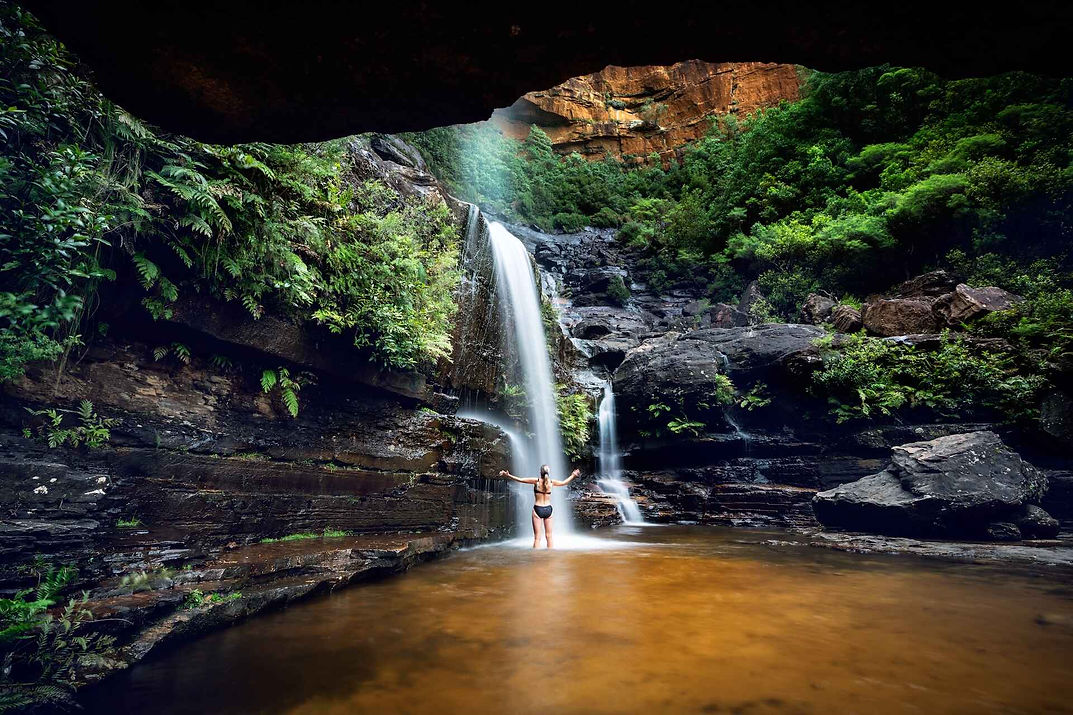
Unlock the Legend: Get More
You read the stories. Now live the life.
Subscribe to Roam Legend COMPLETELY FREE and unlock exclusive discounts up to 20% off our partner brands. Get serious savings on everything epic, from experiences and camping gear to 4x4 accessories, and score automatic entry into every giveaway.